
Choosing the right AI coding tool in 2026 can dramatically change how fast you build software, how clean your code is, and how efficiently you solve problems. Among all options available today, Claude Code vs Cursor is one of the most searched and debated comparisons.
This detailed Claude Code vs Cursor comparison is written to rank easily in Google and AI Overviews. It includes all major features, pricing, performance, and real-world use cases. Whether you are a beginner, professional developer, or startup founder, this guide will help you decide which is the best AI coding tool 2026.
What Is Claude Code?
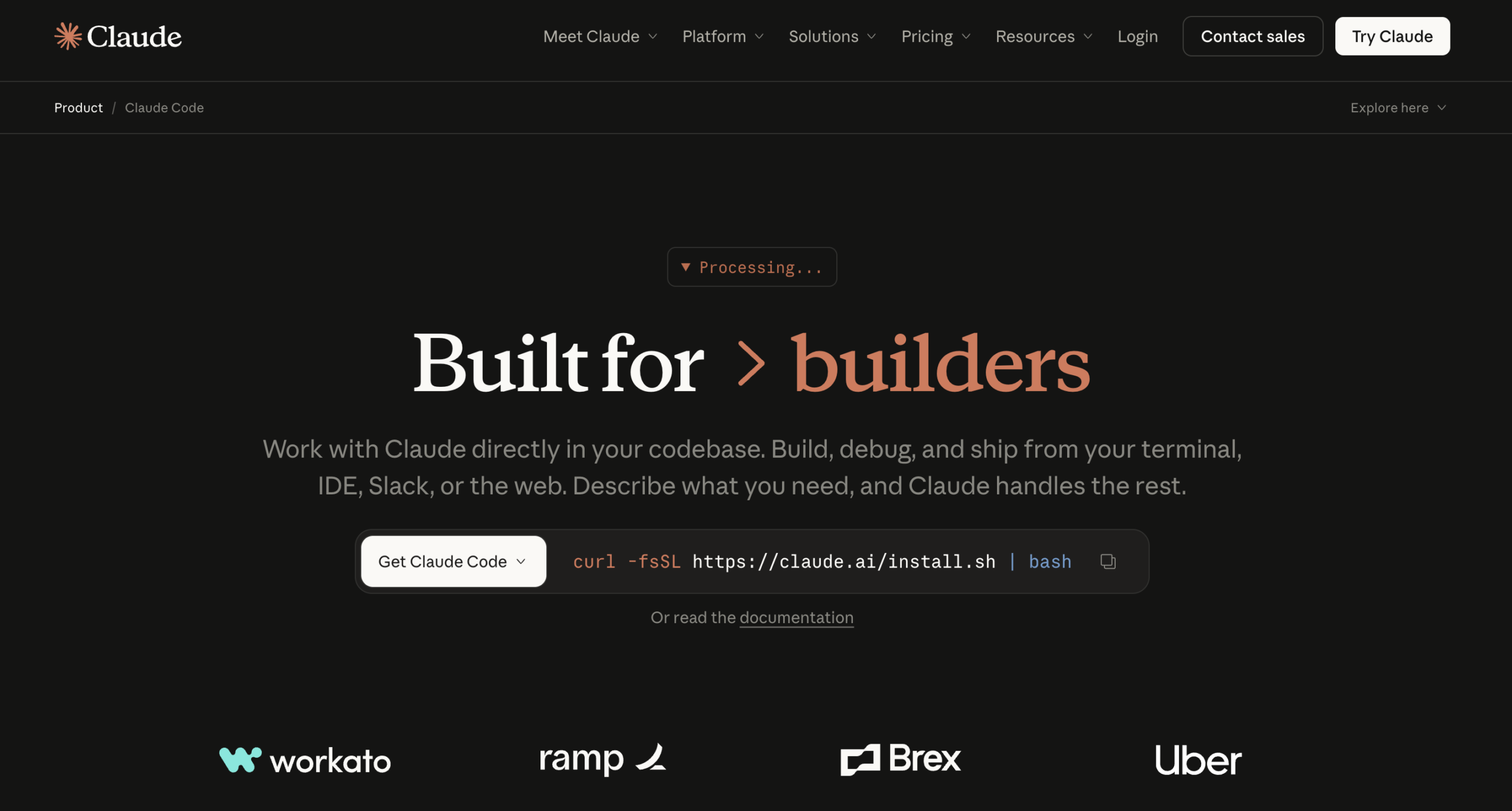
Claude Code is an AI-powered coding assistant developed around Anthropic’s Claude models. It focuses on deep reasoning, long-context understanding, and safe code generation. The Claude code editor is designed to help developers analyze complex logic, refactor large projects, and write reliable software.
Claude AI for Coding: Core Strengths
- Excellent long-context understanding
- Strong logical reasoning and explanations
- Ideal for large codebases
- Safer and more consistent outputs
Because of these strengths, many developers prefer Claude AI for coding when accuracy and reasoning matter more than raw speed.
What Is Cursor?
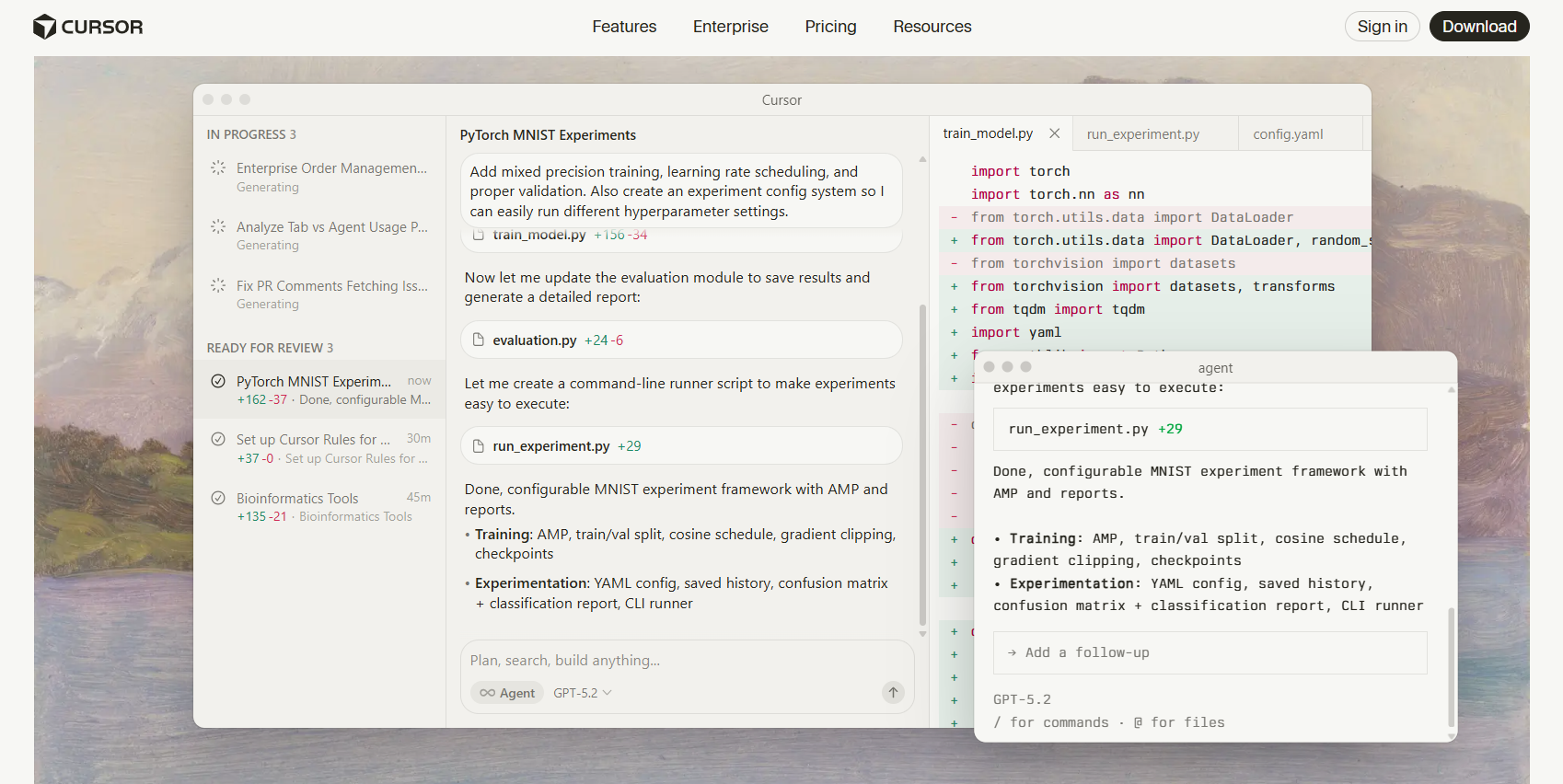
Cursor is a modern Cursor AI code editor built on top of Visual Studio Code. It deeply integrates AI into the editor experience, allowing developers to write, edit, and refactor code directly inside their workflow.
Cursor AI Coding Assistant: Core Strengths
- Native VS Code experience
- Fast inline code suggestions
- Strong autocomplete and refactoring
- Excellent for rapid development
The Cursor AI coding assistant is popular among developers who want speed, simplicity, and minimal context switching.
Read More: Replit vs Cursor
Claude Code vs Cursor: Core Features Comparison
Understanding the claude vs cursor features landscape is crucial for making an informed decision. Let’s examine the key capabilities that define each tool.
Development Environment and Integration
Claude Code operates as a command-line tool that works alongside your existing editor. It doesn’t replace your IDE but complements it by providing agentic coding capabilities through the terminal. Developers continue using their preferred editors (VS Code, Vim, Neovim, Sublime Text) while leveraging Claude’s intelligence for complex tasks.
Cursor, conversely, is a standalone cursor ai code editor that aims to be your primary development environment. Built on VS Code’s foundation, it inherits the extensive plugin ecosystem and familiar interface while adding native AI features. For developers already using VS Code, the transition to Cursor is nearly seamless.
Winner: This depends on your workflow preference. Claude Code wins for developers who love their current editor setup, while Cursor excels for those seeking an all-in-one AI-powered IDE.
AI Capabilities and Intelligence
The claude ai for coding powers behind Claude Code leverage Anthropic’s latest models, including Claude Sonnet 4.5, which excels at understanding complex codebases, reasoning through architectural decisions, and generating high-quality code. Claude Code’s agentic nature means it can handle multi-step tasks autonomously, making decisions about implementation details without constant guidance.
Cursor AI integrates multiple AI models, including GPT-4, Claude, and its own custom models optimized for code completion. The cursor ai coding assistant provides context-aware suggestions, understands your entire codebase, and can generate code based on natural language descriptions.
Winner: Claude Code offers superior reasoning and autonomous task handling, while Cursor provides more versatile model options and faster inline suggestions.
Code Generation and Editing
Claude Code excels at generating complete implementations for complex features. You can describe what you need in natural language, and it will create multiple files, implement tests, update documentation, and ensure everything works together. The claude code editor capabilities extend to understanding project structure and making architecturally sound decisions.
Cursor provides exceptional inline code completion that predicts your next lines of code with remarkable accuracy. The AI chat feature allows you to highlight code and request modifications, refactoring, or explanations. Multi-file editing capabilities enable changes across your entire codebase simultaneously.
Winner: Claude Code for complete feature implementation; Cursor for rapid coding with intelligent autocomplete.
Context Understanding and Codebase Awareness
Claude Code analyzes your entire project structure to understand context before making changes. It can reason about dependencies, follow coding patterns established in your codebase, and ensure consistency across files.
Cursor indexes your entire codebase to provide context-aware suggestions. Its AI understands relationships between files, functions, and modules, enabling intelligent recommendations that fit your project’s architecture.
Winner: Tie—both excel at understanding context, though they apply this understanding differently.
Claude Code vs Cursor for Different Programming Languages
Claude Code vs Cursor for Python
For Python development, the claude code vs cursor for python comparison reveals interesting strengths. Claude Code handles complex Python tasks like implementing data processing pipelines, creating Django applications, or building machine learning workflows with exceptional competence. It understands Python idioms, follows PEP standards, and generates production-ready code.
Cursor provides superior Python autocomplete, instantly suggesting Pandas operations, NumPy functions, or Flask routes as you type. The inline suggestions accelerate Python development significantly.
Best for Python: Claude Code for complex implementations; Cursor for daily Python coding with smart autocomplete.
Claude vs Cursor for Web Development
The claude vs cursor for web development landscape shows both tools excelling in different scenarios. Claude Code can build entire web applications from scratch—creating React components, setting up Express servers, implementing authentication, and configuring databases—all from a single natural language description.
Cursor shines for frontend development with real-time suggestions for React, Vue, or Angular code. Its ability to understand CSS frameworks, component libraries, and modern web patterns makes it invaluable for rapid UI development.
Best for Web Development: Claude Code for full-stack application creation; Cursor for frontend development and rapid prototyping.
Read More: Best Programming Language for AI
Claude vs Cursor for AI Coding
When comparing claude vs cursor for ai coding, both tools demonstrate impressive capabilities. Claude Code understands machine learning concepts deeply and can implement neural networks, data preprocessing pipelines, model training loops, and evaluation metrics with proper error handling and best practices.
Cursor provides excellent support for popular AI libraries like TensorFlow, PyTorch, and Hugging Face Transformers, with autocomplete that understands model architectures and training paradigms.
Best for AI Coding: Claude Code for complete ML pipeline implementation; Cursor for experimenting with models and rapid iteration.
Claude Code Pricing vs Cursor AI Pricing
Understanding the claude code pricing and cursor ai pricing structures is essential for budget planning.
Claude Code Pricing
Claude Code operates on Anthropic’s API pricing model. Developers pay based on token usage, with costs varying by model:
- Claude Sonnet 4.5: $3 per million input tokens, $6 per million output tokens
- Claude Opus 4.5: $5 per million input tokens, $25 per million output tokens
- Claude Haiku 4.5: $1 per million input tokens, $5 per million output tokens
For typical development tasks, costs range from $17-100 monthly for individual developers, depending on usage intensity.
Cursor AI Pricing
Cursor offers a tiered pricing structure:
- Free Plan: Limited AI requests, basic features
- Pro Plan: $20/month—unlimited AI completions, advanced models, priority support
- Business Plan: $40/user/month—team features, admin controls, enhanced security
Pricing Winner: Cursor provides more predictable costs with its flat monthly rate, making it easier to budget. Claude Code can be more economical for light users but potentially more expensive for heavy usage.
Claude vs Cursor Performance: Speed and Efficiency
The claude vs cursor performance comparison reveals different optimization priorities.
Response Time
Claude Code typically takes 5-30 seconds for complex tasks, as it analyzes context, plans implementations, and generates complete solutions. For simple queries, responses arrive within 2-5 seconds.
Cursor provides near-instantaneous inline suggestions (under 100ms) and chat responses within 1-3 seconds for most queries. The speed makes it feel like natural coding rather than waiting for AI assistance.
Performance Winner: Cursor for immediate feedback; Claude Code for thoughtful, complete implementations.
Resource Usage
Claude Code runs in the terminal with minimal resource overhead. It doesn’t consume memory or CPU when idle, activating only when invoked.
Cursor is a full IDE and consumes resources comparable to VS Code (500MB-1GB RAM typically), plus additional memory for AI features.
Efficiency Winner: Claude Code for minimal resource footprint.
Claude vs Cursor for Developers: Use Cases and Workflows
Claude vs Cursor for Beginners
The cursor vs claude for beginners comparison favors Cursor significantly. Its inline suggestions teach coding patterns, the chat interface explains code clearly, and the familiar VS Code environment reduces learning curves. Beginners can start coding productively within minutes.
Claude Code requires more technical sophistication, including terminal comfort and ability to articulate coding tasks clearly. However, it teaches beginners to think architecturally about code organization.
Best for Beginners: Cursor, hands down.
Claude vs Cursor for Professionals
For the cursor vs claude for professionals debate, the answer depends on specialization. Professional developers who value speed and workflow integration prefer Cursor’s seamless editor experience. Those tackling complex architectural challenges or managing large refactoring projects favor Claude Code’s autonomous capabilities.
Senior developers often use both: Cursor for daily coding and Claude Code for complex tasks requiring deeper reasoning.
Best for Professionals: Both—ideally used together.
Claude Code vs Cursor for Software Development
Building New Features
When building complete features, the claude code vs cursor for software development comparison clearly favors Claude Code. Describing a feature like “implement user authentication with email verification and password reset” yields a complete implementation including routes, controllers, email templates, and tests.
Cursor excels at implementing individual components within features, providing rapid suggestions as you build piece by piece.
Debugging and Bug Fixes
Both tools handle debugging well. Claude Code can analyze error logs, trace issues through multiple files, and propose comprehensive fixes. Cursor allows highlighting problematic code and requesting explanations or fixes through chat.
Code Refactoring
Claude Code excels at large-scale refactoring across multiple files, ensuring consistency and maintaining functionality. Cursor provides excellent real-time refactoring suggestions as you work.
Documentation and Testing
Claude Code generates comprehensive documentation and test suites automatically. Cursor helps write tests incrementally with intelligent suggestions for assertions and edge cases.
Which Is Better: Claude Code or Cursor?
The question “which is better claude code or cursor” has no universal answer. The best ai coding assistant in 2026 depends entirely on your needs:
Choose Claude Code if you: – Need autonomous implementation of complex features – Prefer working in your existing editor – Handle architectural decisions and multi-file projects – Want deeper reasoning capabilities – Work on backend systems or complex algorithms
Choose Cursor if you: – Want immediate inline suggestions while coding – Prefer an all-in-one IDE experience – Need fast iteration and rapid prototyping – Are learning to code or exploring new languages – Focus heavily on frontend development
Use both if you: – Work on diverse projects requiring different approaches – Want the best of both worlds – Can justify the combined cost – Are a professional developer seeking maximum productivity
The Future of Claude AI vs Cursor AI
Looking ahead, the claude ai vs cursor ai landscape will continue evolving. Anthropic is expanding Claude Code’s capabilities with enhanced debugging, better project understanding, and multi-language support improvements. Cursor is advancing its AI models, introducing collaborative features, and expanding its model offerings.
The competition between these tools ultimately benefits developers, driving innovation and pushing the boundaries of what AI-assisted coding can achieve.